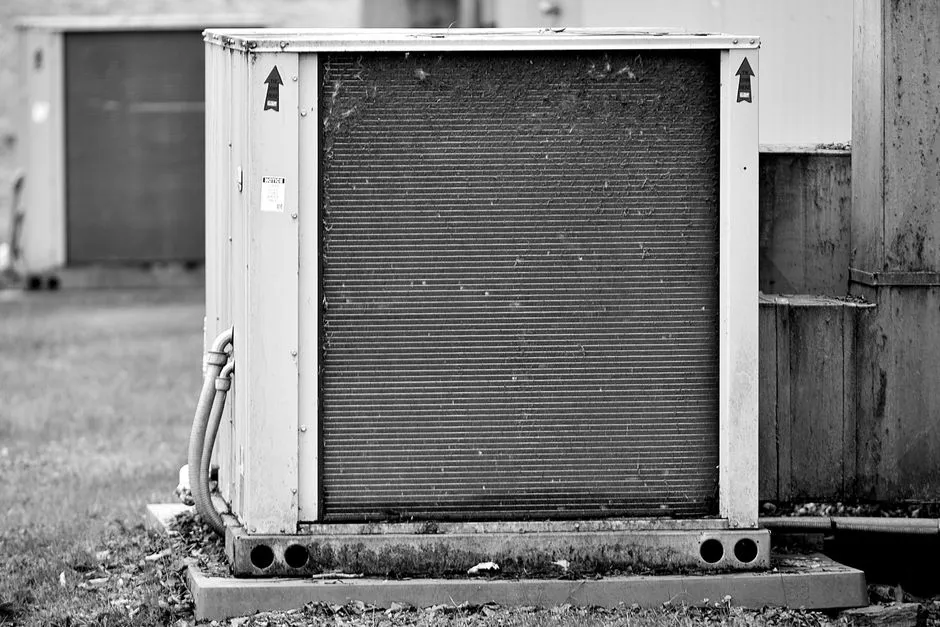
Central air diagnostics Springfield VA is a service that starts by inspecting the outdoor electrical disconnect box. Fairfax County technicians test the dual run capacitor with a multimeter right away. We check the thermostat settings to confirm a steady 24-volt call for cooling. Springfield AC Pros uses proper testing steps to find the exact root cause of system failures fast.
Your heat pump or straight cool system works hard against local humidity. Parts wear out over time inside the metal cabinet. Our team checks every wire and copper line during a visit.
Common signs your central air system needs professional testing
Local Springfield homeowners often deal with weak airflow because the blower wheel is coated in dust. Older split systems in Springfield often show clear warning signs before they break down completely. Catching these early saves you money on major repairs.
This is ideal for homeowners in Springfield who notice strange changes in indoor comfort. You might feel sticky air in the living room on a hot July afternoon.
- Weak airflow from supply registers means the blower wheel might be dirty or failing.
- Warm air blowing from vents points to compressor failure or a refrigerant leak.
- Loud buzzing noises usually indicate a failing electrical capacitor or a stuck motor.
- Short cycling means the unit turns on and off too fast due to overheating or airflow restriction.
- High humidity inside your home shows the evaporator coil is not removing moisture properly.
Step-by-step guide to professional central air testing
Our central air service includes a strict routine to diagnose air conditioners without guessing. Professional contractors follow this path to protect your equipment from further damage. We test safety switches and check drain pans for rust.
For example, a home near Lake Accotink might have cottonwood seeds stuck tightly in the condenser fins. We clean those coils before testing pressures.
- Visual inspection checks the outdoor condensing unit for debris, damaged fins, and oil leaks.
- Electrical testing measures voltage and amperage draw on the compressor and fan motors.
- Temperature split measures the air entering and leaving the return and supply vents.
- Static pressure testing checks how hard the blower motor works against the ductwork.
Essential tools used during an AC inspection
Technicians rely on specialized gear to read what the naked eye cannot see inside a sealed refrigeration system. These tools tell us the true health of your cooling equipment.
Factors such as system age and dirt buildup can affect the readings on our gauges. We calibrate our meters often to ensure exact results in your yard.
- Digital multimeters measure electrical resistance, voltage, and microfarads on capacitors.
- Manifold gauges hook up to service ports to check high and low side refrigerant pressures.
- Infrared thermometers track surface temperatures on compressors and electrical connections.
- Anemometers calculate actual air velocity coming out of your register vents.
- Leak detectors sniff out tiny refrigerant escapes in copper coils and brazed joints.
How to prevent sudden air conditioner failures
Routine maintenance keeps your cooling system running smoothly through hot Virginia summers. Regular care also lowers your monthly power bills. Small habits prevent big bills later.
Ignoring this can lead to frozen indoor coils and motor burnout. You protect your warranty by keeping up with simple tasks.
- Change filters every month during heavy cooling seasons to maintain proper airflow.
- Clear leaves and dirt two feet around the outdoor condenser coil.
- Flush condensate drain lines with vinegar to prevent clogs and water damage.
- Schedule tune-ups in the spring before the intense summer heat arrives.
Common diagnostic mistakes to avoid
Skipping proper steps leads to misdiagnoses and wasted money on parts you do not need. Doing the job right the first time matters to us.
We take our time to test every circuit board and relay. This stops guesswork and saves you cash.
- Guessing refrigerant levels without checking superheat and subcooling numbers first.
- Replacing a capacitor without testing why the old one failed from a short.
- Ignoring dirty coils that mimic the exact symptoms of low refrigerant charges.
- Overlooking loose wires inside the electrical panel that cause intermittent power loss.
When to call a professional for system diagnostics
Complex issues involving electrical hazards or sealed refrigerant loops require licensed tools and safety training. If your system trips breakers or blows warm air, it is time to schedule central air diagnostics in Springfield, to protect your investment.
Ignoring minor performance drops often leads to total compressor burnout on humid days. You can also rely on our ac troubleshooting in Springfield, for help with stubborn thermostat and blower problems. Call us today for reliable central air diagnostics services in Springfield,, VA before a small glitch turns into a costly breakdown.
Related guide: Why Is My Springfield, Home Not Cooling? 6 Common AC Culprits
Frequently Asked Questions
What do HVAC technicians test first on an AC unit in Springfield?
How do technicians check for refrigerant leaks during an inspection?
Why do HVAC techs check electrical components first on hot days?
What tools do technicians use for air conditioner diagnostics?
How long does a typical central air diagnostic visit take?
Get help with Central AC Repair in Cardinal Forest
Need a hand? Our Central AC Repair in Cardinal Forest team is close by. Call +1 (202) 555-0147 or request a free estimate from Springfield Ac Pros.